Expert perspectives on IoT and OT security, risk prioritization, network segmentation, and compliance, from the ORDR team.
Showing 1–12 of 217 posts
Device segmentation protects infusion pumps, imaging systems and PLCs regardless of patch status. Cut what each device can reach, and a new vulnerability has far less room to move.
Device segmentation on Aruba works best when you know each device. See how ORDR adds device context to ClearPass and Central so your team can build and test access policy.
As Congress debates Medicaid cuts and hospital funding after the midterms, security must be funded as patient safety. Here is what policymakers and hospital leaders should do now.
Two critical flaws in the PHP interpreter itself let unauthenticated attackers run code, and patching is the only fix. Here is how to find every PHP copy in your environment and read versions correctly.
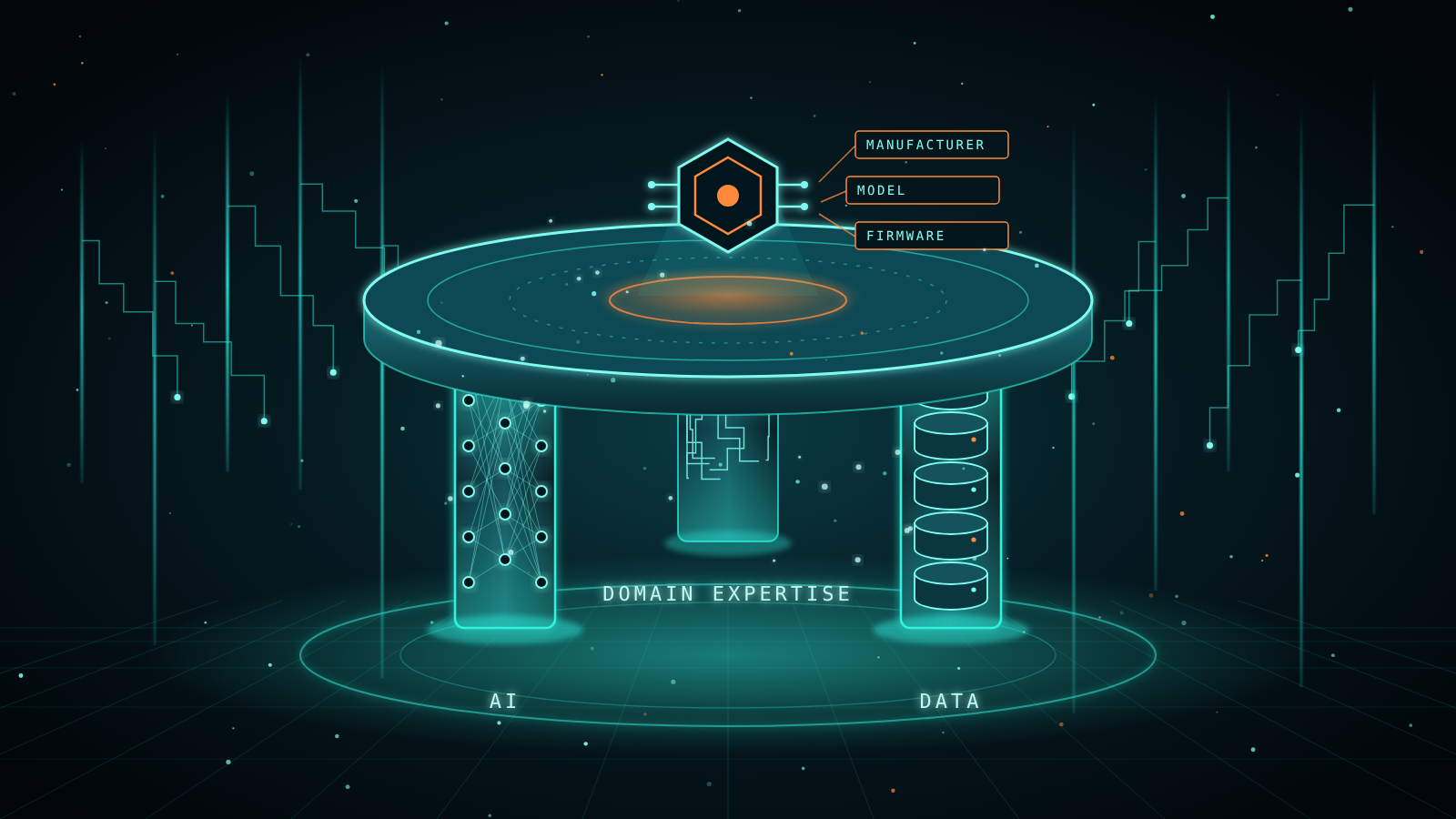
AI is a powerful accelerator. But without years of curated device data and domain expertise, it cannot instantly recreate a proven classification engine.
Fridges hit 50°C in 100+ European stores after attackers reached exposed controllers. Patching won’t close the gap. Controlling who can reach them will.
Three weeks after the first attack, 100+ European stores had fridges hit 50°C through the same open door. Finding vulnerabilities is not the fix. Controlling the access path is.
A cyberattack sent ambulances away from New Mexico’s only Level 1 trauma center. Here are four points in UNM Health’s response where knowing every device on the network matters.
What the French supermarket attack teaches every IoT and OT security team: stop counting vulnerabilities, start cutting reachability, and start with the supplier.
Most configuration management databases (CMDBs) begin to drift soon after they go live the moment they go live. Devices change, new assets connect to the network, and manual updates fall behind. AI-powered discovery changes the maintenance model, replacing point-in-time snapshots with continuous, behavior-based intelligence.
What this recognition means for organizatons looking to see, understand, and protect every connected device
Most security teams have a solid understanding of the devices they officially manage, but lack full visibility into everything actually connected to their environment. Without comprehensive visibility into connected devices, security teams can miss unmanaged, unknown, or misclassified assets that expand the organization's attack surface. That blind spot is where attackers often gain a foothold, move laterally undetected, and maintain persistence before security teams realize a compromise has occurred.